Kansas City has a way of rewarding craft. Walk a few blocks in Crossroads on a First Friday and you feel it in the galleries, the studios, and the street corners where clients and creators meet. Photographers and creatives live close to their clients here. That proximity is a gift, but it only pays off when people can actually find you. Local SEO turns that proximity into bookings.
I lead local SEO for creative businesses in Kansas City, and I’ve spent years in the trenches with photographers, videographers, designers, and boutique studios. The playbook for a home services contractor won’t help a wedding photographer with seasonal demand, and a gallery needs different signals than a headshot studio in the loop. What follows is the version that works for creatives who need visibility, not vanity metrics, who care about qualified inquiries and booked shoots.
What local intent looks like for a photographer
Local search isn’t one audience. It splits along intent, budget, and immediacy. On weekdays I see steady demand for headshots, brand photography, and quick-turn assignments. Weekends tilt toward weddings, family sessions, and events. Each pocket of demand carries its own search behavior.
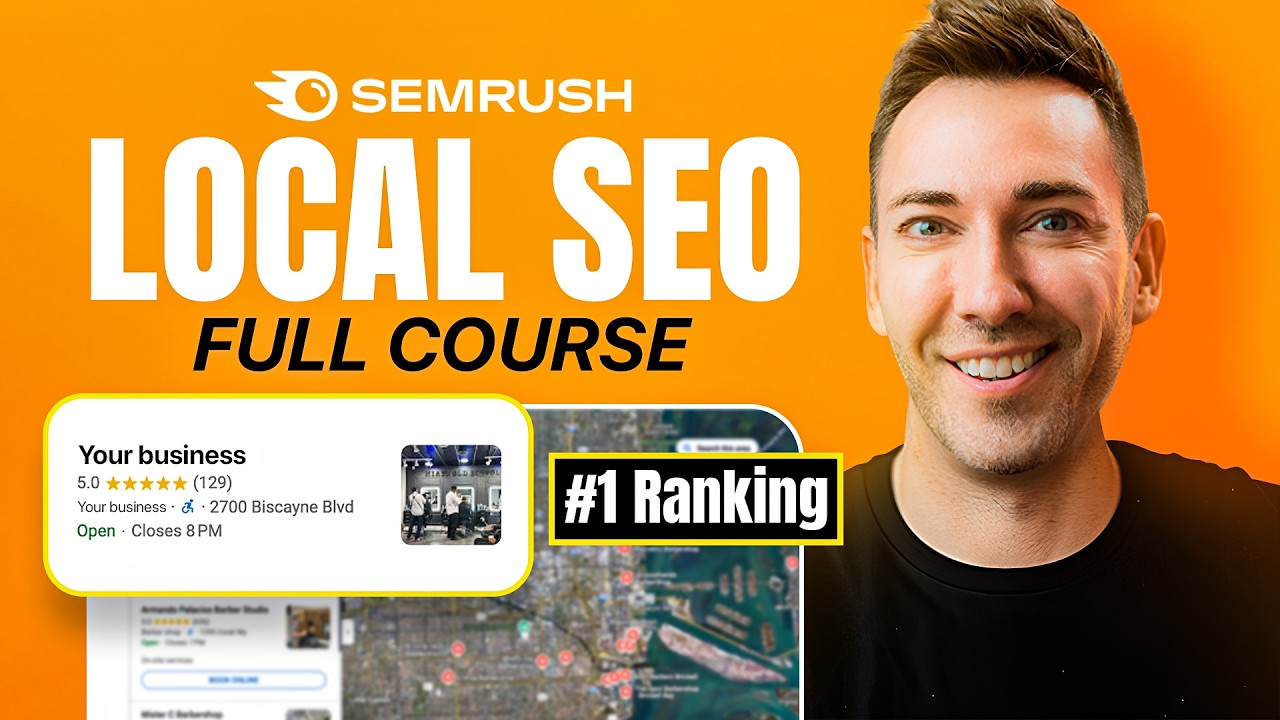
A bride researching venues might search “Kansas City wedding photographer at The Bauer” six to nine months out. Someone launching a startup might search “brand photographer near me” and want a phone call within a day. A corporate admin will often search “same-day headshots Kansas City” at 10 a.m. and expect availability by Wednesday. Local SEO optimization needs to map to those windows. If your content, Google Business Profile categories, and on-site structure speak to one type of demand but ignore the others, you’ll only rank when the stars align and miss a lot of real opportunity.
The assets that actually drive local visibility
Three assets carry the load: your Google Business Profile, your website with strong location and service pages, and your off-site citations and links. Social proof bridges them.
Your Google Business Profile is your skyline billboard. It feeds the map pack, the knowledge panel, and the “photographers near me” results. Optimize it, and you gain consistent calls. Neglect it, and you’ll wonder why your Instagram is busy while your inbox is quiet.
Your website translates interest into proof. It shows your portfolio, your process, and your terms in a way a profile can’t. It also signals to Google that you serve specific neighborhoods, venues, and use cases, which is critical for local seo.
Citations and local links are the scaffolding. They verify your business identity, and they transfer relevance from the city to your brand. A single mention on a respected local site often moves the needle more than a dozen generic directories.
Building a Google Business Profile that wins the map pack
I’ve rehabbed Kansas City profiles that went from invisible to top three in four to eight weeks. The difference wasn’t magic. It came from aligning all the small details with how clients actually search.
Start with categories. Photographers fall into traps here. “Photographer” is the default, but your secondary categories do real work. Wedding photographer, commercial photographer, portrait studio, headshot photographer, event photographer. Choose what you actually sell and avoid the temptation to cram everything. Two to four well-chosen categories outperform a kitchen sink approach because they keep your relevance clear.
Name, address, phone number should match your website and your citations exactly, right down to suite number formatting. If you work from a home studio, use a service-area setting and hide the address if you don’t accept walk-ins. I’ve seen creatives suspended for listing home addresses and then setting “appointment only” without proper service-area configuration.
Hours matter more than most expect. If you book calls after 6 p.m., reflect that. If you only shoot weekends during wedding season, keep weekday inquiry hours visible. Consistent hours reduce “maybe closed” doubts and raise call-through rates.
Products and services give you space to describe packages and deliverables. Add service items for wedding photography, elopements, brand sessions, headshots, event coverage, editorial shoots, real estate sets. Use tight, descriptive copy. “Brand photography - Kansas City” with a 2 to 3 sentence summary and a starting price communicates clarity to clients and relevance to Google.
Photos and videos draw clicks. Upload sets that match search intent: a gallery of Union Station portraits, a corporate office headshot session in the Plaza, an outdoor family session at Loose Park. Geographically relevant EXIF data is no longer a reliable factor, so don’t waste time there, but do add descriptive file names and captions that mention neighborhood, venue, and type of shoot.
Reviews are the trust engine. The number matters less than the velocity and the detail. A steady cadence of two to four reviews per month beats a burst of twenty followed by silence. Ask clients to mention what you shot and where: “Brand session in Crossroads,” “ceremony at The Abbott,” “team headshots in Overland Park.” I prefer a set sequence: personal thank-you within 24 hours, review link two days later, gentle nudge after a week, then stop. Never offer discounts in exchange for reviews. It violates platform guidelines and can get reviews filtered.
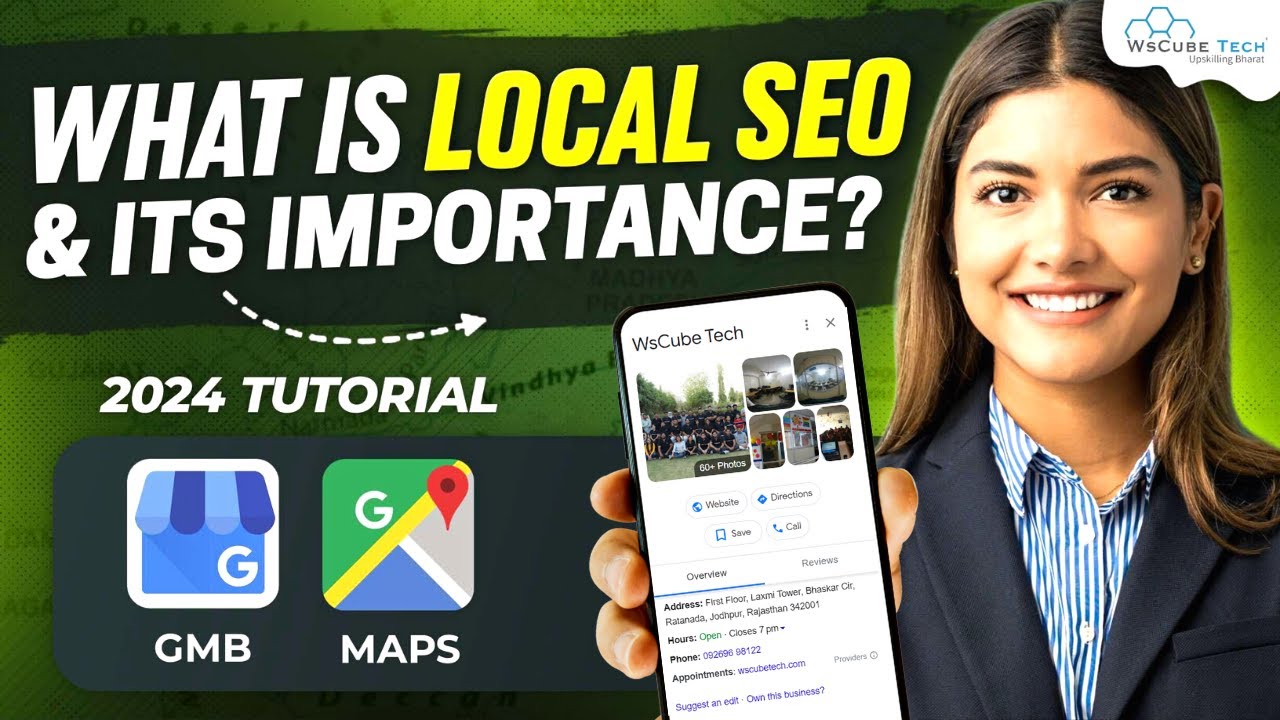
Posts keep the profile active. Feature a recent shoot with a short story, promote a mini-session day, or announce seasonal availability. Think of it like a lightweight blog on your profile that nudges one more click.
On-site structure that converts and ranks
A gallery-only site rarely ranks well for local queries. The engines see the images but miss the context. You need text that says, with clarity, what you do, where you do it, and why someone should trust you.
I build a creative’s site with a simple spine. One services hub page that introduces your main offerings with internal links to individual service pages. Separate pages for wedding photography, headshots, brand sessions, family portraits, and any specialty you actually book. A locations hub that links to neighborhood or venue-specific pages: Kansas City wedding photographer, Overland Park headshots, Crossroads brand photography. Each of those location or venue pages should feature real work shot there and copy that speaks to that environment. If you have not shot at a venue yet, focus on nearby examples, logistics, and approach rather than faking it.
Schema markup is your silent advocate. Add LocalBusiness or ProfessionalService schema with your NAP, service area, and sameAs links to your profiles. Mark up reviews that exist on your site and ensure they comply with guidelines. For photographers selling packages, Product schema can help surface pricing in rich results, which tends to improve click-through.
Page speed and image handling matter more for creatives than most industries. Large images slow pages, which depresses rankings and annoys clients on mobile. I compress with a target of 150 to 250 KB per image for portfolio grids, and up to 400 KB for hero images, using modern formats like WebP when possible. Lazy-load galleries so the initial content paints quickly.
Don’t bury prices in PDFs. If you offer starting prices, publish them on the page. Even a range filters out poor fits and improves form submissions. I’ve seen contact-to-booking rates increase 20 to 40 percent after posting a “starting at” figure for weddings and headshots.
Content that mirrors client decisions
Creatives often default to visual stories. That’s your strength, but words shape discovery. The best local seo strategy for a photographer blends both.
Write shoot pages like mini case studies. Start with the goal, add a few logistical notes, and include a location mention. “Two-hour brand session in Crossroads for a ceramics studio, planned to capture product texture and the founder at the wheel. We shot in late afternoon to pull warm window light and paired it with a simple strobe for consistency.” Sprinkle three to five curated images. This format earns long-tail search traffic and gives prospects proof.
Venue and neighborhood guides pull pre-booking traffic. If you specialize in weddings, build pages for five to ten venues you love, with real photos, capacity notes, lighting conditions, and why each venue works for your approach. For brand photographers, write micro-guides to the best outdoor backdrops near the streetcar line, or a studio-lighting primer for corporate teams. Keep it actionable. Include parking notes, permit considerations, and where you usually set up.
FAQ pages do heavy lifting on both SEO and sales. Answer questions about turnaround time, raw files, rescheduling policies, and rights usage. Creatives sometimes hide terms out of fear. Transparency typically reduces friction, and it lowers ghosting.
Reviews with specificity beat star counts
A hundred five-star reviews with generic praise will lose to forty with specific detail in competitive map packs. Ask for details that future clients care about. Did you help choose a location? Offer wardrobe guidance? Deliver files on a tight deadline? Phrase your ask as an invitation to help the next person: “If it’s helpful, you could mention the type of shoot and where we shot, plus anything that stood out to you.” Clients respond to that clarity.
Negative reviews happen, even to pros. Respond once, calmly, and offline if possible. A short acknowledgment and a path to resolution projects competence. Prospects observe how you handle friction. Over-explaining or debating harms trust more than the review itself.
Local links that move rankings in Kansas City
High authority local links beat random national directories. I’ve seen measurable lifts from three types of links.
Neighborhood organizations and arts groups often publish member profiles or event features. Crossroads Community Association, local maker collectives, and First Friday calendars offer real local seo solutions, provided your profile includes a link.

Venue features are gold. If you have real work at The Abbott, Loose Mansion, or Union Station, ask the venue to feature your gallery on their site. Many maintain preferred vendor pages. Those links, surrounded by relevant venue details, carry better local relevance than almost any generic directory.
Local media and niche blogs carry weight when the story provides value. Pitch a behind-the-scenes look at photographing winter weddings in the Midwest light, or a small business feature tied to a neighborhood series. A single KCUR or Flatland article with a link often equals dozens of low-quality mentions.
The GMB - website feedback loop
Strong profiles send clicks to the site. Strong sites feed your profile with posts and updates. Treat them as one system. Post a recent job on your profile, then link to the case study on your site. Publish a venue guide, and post a short highlight to your profile with a direct link. The engagement signals cross-pollinate.
Watch the data. Google Business Profile Insights won’t replace analytics, but the query list is a view into the language your audience uses. I pull those queries monthly, group them by theme, and adjust service page headings and FAQs to match phrasing that converts, like “quick turnaround headshots” or “moody downtown portraits.”
Seasonal planning for creatives
Kansas City seasons change the map. Spring floods family session queries. Summer drives weddings and events. Fall doubles down on outdoor portraits. Winter shifts work indoors to studios, corporate headshots, and commercial assignments. Plan your local seo marketing calendar accordingly.
Two to three months before each seasonal peak, publish the relevant content, refresh portfolio highlights, and queue profile posts. Build a mini-session page early with a signup form and set it live even if you’ll finalize dates later. For weddings, update venue pages in January when newly engaged couples start planning. For corporate teams, push headshot pages in late summer as companies prep for Q4 reports and leadership updates.
What a serious local seo services engagement includes
When we work with a photographer or creative studio, we anchor to outcomes: qualified inquiries and booked work. The deliverables line up behind that goal.
Technical and on-site foundations come first. We audit site speed, fix crawl issues, tighten internal links from the homepage to your money pages, and add schema. Then we build or refine service and location pages, each with two to three short proof sections and real images.
We overhaul the Google Business Profile with correct categories, a service list, polished descriptions, and a six-week content plan for posts. We design a lightweight review program that fits your workflow, including a branded review link, a handoff script, and a timed follow-up sequence.
We map citation consistency across the major aggregators and the creative-friendly directories that actually matter. Then we develop a short list of local link targets: venues, neighborhood orgs, and media. We draft pitches and do the outreach.
Finally, we monitor. Not just rankings, which can be noisy, but calls, form submissions, and the language people use when they contact you. If a spike in “same-day headshots” inquiries appears, we build that into a dedicated page and a quick-turn post on your profile. If the map pack shifts for “Kansas City wedding photographer,” we revisit categories, posts, and location relevance.
Pricing pages and the trust factor
Photographers often hesitate to show prices. From a local seo perspective, transparency wins more than it loses. You do not need a full rate card to benefit. A starting price with what it includes, a typical range, and add-ons gives clients a waypoint. It filters out mismatches and encourages serious prospects to reach out. For weddings, include seasonal nuances. For example, smaller winter packages might be available, while fall weekends book only full-day coverage. That honesty helps conversions and reduces back-and-forth.
For corporate headshots and brand sessions, include minimum booking blocks and travel radius. A clear minimum half-day or day rate reduces requests for unrealistic single-hour on-site shoots. Add a short rationale. People accept boundaries when they understand the logistics.
Addressing common sticking points
Two issues derail many creative sites. The first is image-only galleries with thin text. It feels artistic, but search engines see a blank wall. The fix is not to drown your work in copy, but to add concise, meaningful text that names the type of shoot, the location, and one or two specifics that prove expertise.
The second is mixed NAP data across the web. If you changed studio locations from Midtown to West Bottoms, your citations likely show both. Clean them. Inconsistent location signals suppress map rankings, especially within 3 to 5 miles of your competing address.
When to consider a local seo company or consultant
You can do a lot yourself if you have the time and a clear plan. The moment to bring in a local seo agency is when the opportunity cost of figuring it all out yourself exceeds the fee, or when you need a clean reset.
A strong partner focuses on the levers that move bookings. They will not pitch a hundred directory listings for photographers with no local relevance. They will not churn out generic blog posts that never convert. They will ask about your best clients, your favorite venues, your availability calendar, and the work you want more of. Then they will build toward that.
If you prefer to keep most work in-house, a local seo consultant can audit, build the framework, and train you or an assistant to run the recurring tasks. That hybrid model suits many one- or two-person studios.
A simple, focused action plan for the next 30 days
- Fix your Google Business Profile: correct categories, add five service items, upload twelve location-relevant photos, and publish two posts that link to specific pages on your site. Create or refine two service pages: one for your most profitable service and one for your most searched local term, each with concise copy, three to five images, and a clear call to action. Launch a review system: create a short link, draft a polite two-step ask, and send it to the last ten clients with a personal note. Build two venue or neighborhood pages tied to real work, with specific tips and three to five images, and link them from your services and homepage. Pitch two local links: one venue where you are already a preferred vendor and one neighborhood or arts organization profile.
Keep it tight and measurable. These steps tie directly to visibility and inquiries. You can layer more later.
A quick note on edge cases
Not every creative wants a public address. If you work from home and are appointment-only, set a service area profile and hide your street address. Do not invent a co-working address. Profile suspensions are painful and avoidable.
If you operate in multiple cities, avoid thin location pages that replicate the same text with city names swapped. Invest in unique content, real galleries, and distinct logistics for each city. You will rank less but book more.
If you sell fine art prints or run a hybrid gallery, split commercial and consumer content on the site. Different buyers, different intent. Your local seo strategy for the gallery will lean into events, exhibitions, and foot-traffic queries, while the commercial side will focus on services and bookings.
Why Kansas City context matters
Local nuance shapes search. People here reference neighborhoods and venues by name. Crossroads, West Bottoms, River Market, Midtown, Brookside, Overland Park, Liberty. They also search for specific venues: The Abbott, Loose Mansion, The Guild, Boulevard Brewing, The Madrid, Union Station. If your site and profile echo those terms with real proof, you stack the deck.
Weather and light patterns matter. Winter light is soft but short, which affects timelines in a way your FAQ can explain. Summer heat pushes outdoor sessions early or late, and that’s worth noting on your booking page. These details, small as they seem, build credibility and reduce friction.
What success looks like
Healthy local seo for small businesses in the creative space feels like a steady hum. Inbound volume rises gradually, not overnight. The mix of queries shifts toward terms that match your best work: branded portraits, editorial assignments, intimate weddings, creative campaigns. Map rankings stabilize for five to ten core queries within your service radius. Calls and emails mention specifics they saw on your site or profile. local seo for small businesses Your calendar fills earlier, and you have room to say no.
That is where local seo marketing pays its keep. It does not replace craft. It brings the right clients to it.
If you want support, look for a partner who speaks your language and can show before-and-after examples tied to booked work, not just impressions. Ask how they handle reviews without incentives, which venue links they’ve earned, and what they do when a profile gets suspended. A good local seo company will have direct answers. A better one will ask you a lot of questions first.
Build the foundation, tune for the city you serve, and keep the signals fresh. Kansas City will do the rest.